
5 Parts EV Repair Services Replace Instead of Oil, Belts, or Plugs
The shift from internal combustion engine vehicles to electric vehicles (EVs) marks a significant transformation in the automotive industry. It necessitates a rethinking of the traditional maintenance and EV repair services long associated with cars. While oil changes, belt replacements, and spark plug checks have dominated automotive service shops for decades, EVs introduce a new range of components that require attention. As vehicles become more computerized and battery-reliant, the focus shifts towards an entirely different set of parts.
1. Battery Pack Replacement
Battery packs from EV repair services are the lifeblood of an electric vehicle, and understanding their lifespan is critical for EV owners. The degradation of a battery over time can lead to reduced range and efficiency, prompting the need for a replacement. Regular diagnostics and performance evaluations are essential to detect when a battery pack might require replacement. Emerging technologies and advances in battery chemistry promise longer-lasting and more efficient batteries, which may alter the current replacement timelines.
Symptoms of a failing battery pack are not always obvious, making diagnostics crucial. Drivers may notice a significant drop in mileage range, unusual noises, or warning lights on the dashboard. These signs often indicate the battery is underperforming and may need attention. Professional assessments using specialized testing tools can accurately determine the health of a battery pack. Such evaluations guide service providers in making informed decisions regarding repairs or replacements.
The disposal and recycling of old battery packs present an environmental challenge and opportunity. Recycling facilities focus on recovering valuable materials, such as lithium and cobalt, and minimizing ecological impact. Manufacturers and service providers are increasingly emphasizing the importance of sustainable practices in battery disposal. As battery technology advances, recycling processes are also expected to improve, making the cycle more efficient and environmentally friendly.
2. Electric Motor Replacement
Electric motors are integral to an EV's operation, converting electrical energy into mechanical motion. Recognizing the common signs of electric motor issues is vital for maintaining vehicle performance. Symptoms such as changes in acceleration, strange noises, or overheating can signal potential problems with the motor. Early detection and intervention can prevent more significant damage and extend the motor's lifespan. Regular maintenance checks can identify issues before they escalate, ensuring the motor remains reliable and efficient.
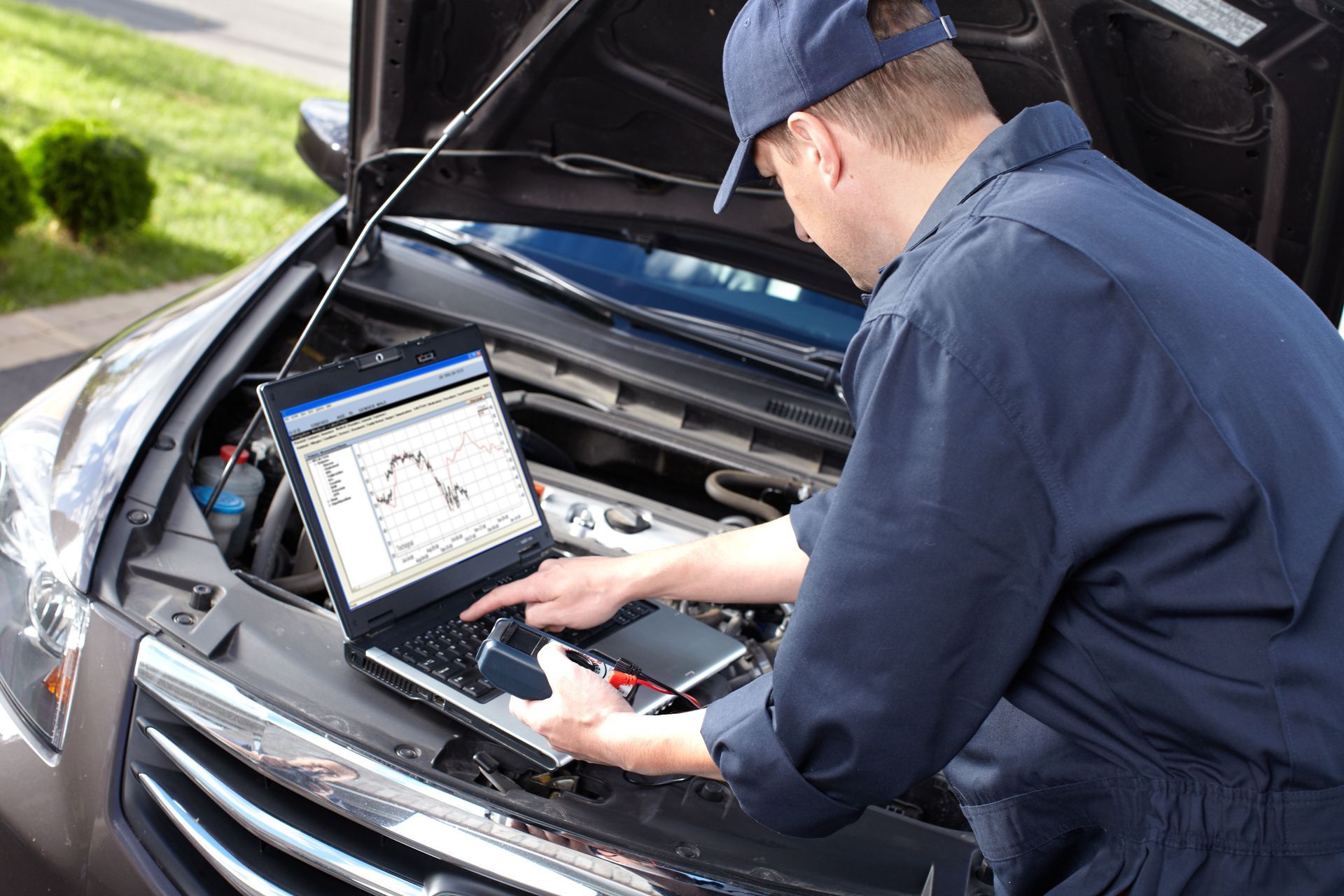
Motor diagnostics require specialized tools and techniques from EV repair services to accurately assess the condition and performance of electric motors. Service providers often use advanced diagnostic equipment to analyze motor parameters and identify faults. Understanding the differences between AC and DC motors in EVs can also aid in diagnosing problems. AC motors are generally more efficient and provide better speed control, while DC motors are simpler and cheaper. Identifying the type of motor is the first step in determining the best diagnostic and repair approach.
Deciding between repair and replacement of an electric motor involves a cost-benefit analysis. Factors such as the extent of damage, cost of replacement parts, and the potential benefits of aftermarket upgrades play a significant role. In some cases, upgrading to a high-performance aftermarket motor can offer enhanced efficiency and power. Such upgrades are becoming more popular as drivers seek to maximize their vehicles' capabilities. However, the decision must balance cost with expected improvements in performance and longevity.
3. Power Electronics and Inverter Maintenance
The power electronics system in an EV is a complex network of components that regulates the flow of electricity. Key parts include the inverter, converter, and controller, each playing a critical role in maintaining the vehicle's performance. These components are responsible for converting DC power from the battery to AC power for the motor. Any malfunction within this system can severely impact the EV's operation. Regular maintenance and timely repairs are essential to ensure these components function optimally.
Indicators of inverter malfunction include reduced performance, increased electrical consumption, or system alerts. The inverter is crucial in transforming battery power into usable energy for the electric motor. Its failure can lead to inefficient energy use and decreased vehicle efficiency. Early detection of these issues can prevent major disruptions and costly repairs. Technicians often use sophisticated diagnostic tools to pinpoint inverter problems and determine necessary repair actions.
Thermal management is vital in maintaining the system performance of power electronics. Excessive heat can damage components, leading to reduced performance and reliability. Effective cooling systems and proper heat dissipation are crucial for optimal operation. Repair or rebuild options for power electronics often involve replacing damaged parts or upgrading cooling systems. As technology advances, newer, more efficient power electronics are being developed, promising enhanced performance and reliability for future EV models.
4. Charging System Repairs
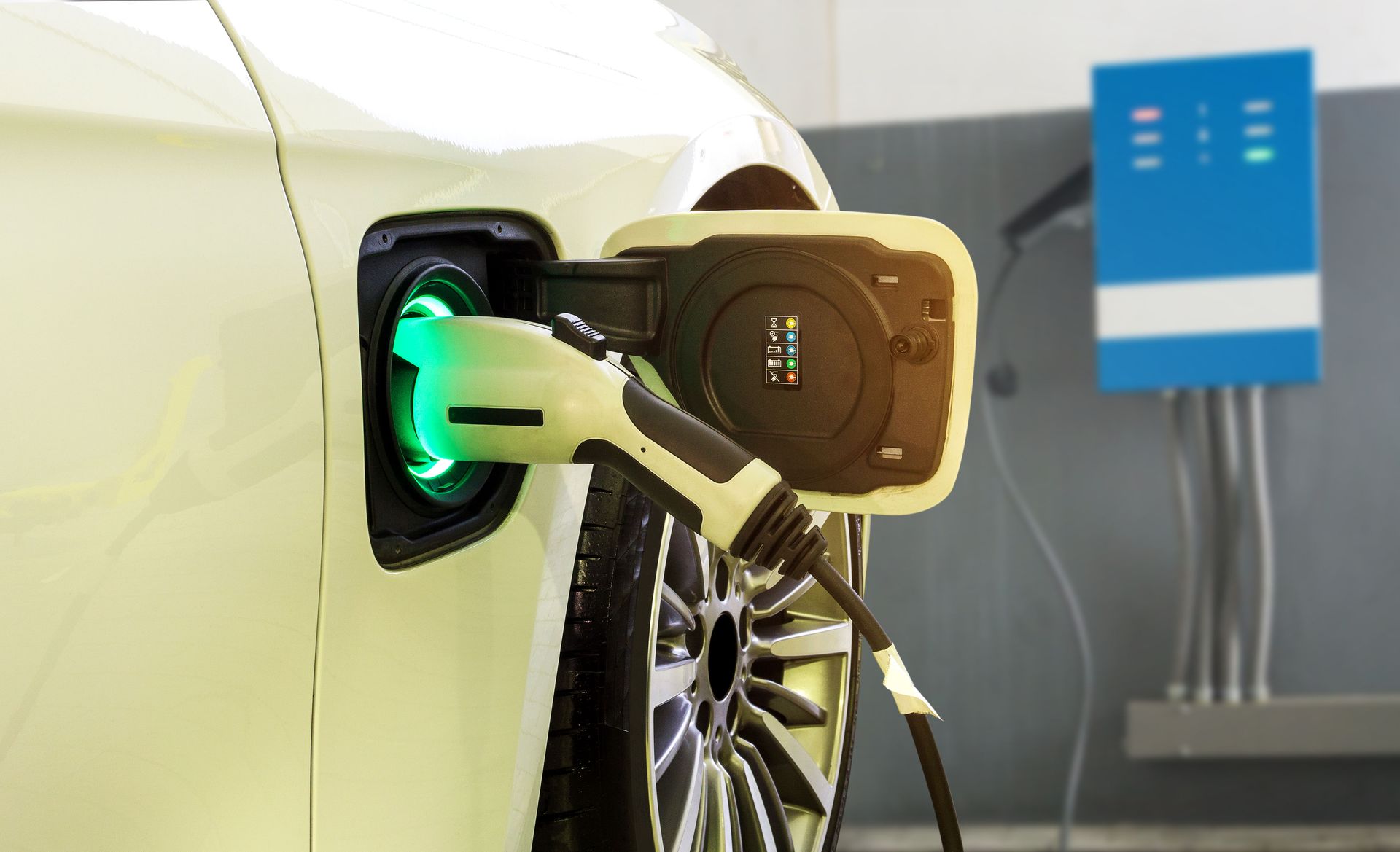
Charging systems from EV repair services are the backbone of an EV's functionality, ensuring that the vehicle remains powered and ready for use. Diagnosing issues with charging stations is an essential part of maintaining an EV. Problems can arise from both public charging stations and personal home charging setups. Drivers may experience slower charging speeds, connectivity issues, or complete failure to charge. Proper diagnosis helps pinpoint the root cause and allows for efficient resolution of charging system issues.
Replacing onboard chargers and their components is a common requirement when faults occur. These internal systems are responsible for managing the power transfer from a charging station to the battery. Over time, wear and tear, along with technological obsolescence, can necessitate replacements and upgrades. Additionally, software updates and calibration services are required to ensure compatibility with various charging station types and new technologies. Upgrading the charging system components can lead to improved charging efficiency and reduced energy costs for the owner.
Troubleshooting common home charging problems is essential for ensuring an EV is always ready to go. Simple issues like faulty cables or software glitches can disrupt the charging process. By addressing these problems promptly, drivers can avoid more significant complications and maintain the longevity of their vehicle's battery. Regular maintenance checks and updates help keep the home charging systems running smoothly, reflecting the broader shift in vehicle maintenance priorities for EVs. According to PartsTech, tire maintenance has also emerged as the most common service for shops that work on fully electric vehicles, with 65% of respondents listing it among their top three EV services, highlighting the difference in service needs compared to traditional cars.
5. Thermal Management System Optimization
Thermal management in electric vehicles is critical to maintaining optimal operating temperatures for various systems. It ensures that components like batteries and motors function efficiently without overheating. Effective thermal management improves vehicle performance and extends the life of critical parts. Coolant systems are a vital component of this process, requiring regular maintenance and attention.
Detecting and addressing coolant system failures is necessary to ensure thermal management systems work correctly. Early signs of failure, such as leaks, unusual noises, or dashboard warnings, indicate that the coolant system needs attention. Regular inspections can detect these issues early, allowing for timely repairs and preventing more extensive damage or costly replacements.
As electric vehicles continue to evolve, the range of parts and EV repair services required for maintenance will follow suit. Understanding and addressing the unique needs of EVs, from battery packs to advanced software systems, is crucial for car owners and service providers alike. This shift not only highlights the advancements in automotive technology but also underscores the importance of staying informed to ensure optimal vehicle performance and longevity. For EV repair services, call Eagle Automotive & Transmission today.

Share On: