Why Local Auto Repair Is Important for Preventive Maintenance
Maintaining a safe, reliable vehicle requires consistent attention to mechanical components before minor wear turns into major mechanical failure. Choosing a trusted local auto repair shop allows drivers to build lasting relationships with certified mechanics who understand their specific driving habits and regional road conditions. Routine vehicle servicing protects your financial investment, improves fuel economy, and prevents dangerous roadside breakdowns during daily commutes. Establishing a regular schedule for fluid checks, tire rotations, and brake evaluations ensures your car operates at peak efficiency year after year. Prioritizing neighborhood automotive care keeps your transportation dependable while supporting skilled small businesses directly within your immediate community.
Establishing Personal Relationships With Neighborhood Mechanics
Building a continuous partnership with neighborhood mechanics transforms routine vehicle upkeep into an easy, tailored experience for drivers. Utilizing a dependable local auto repair shop ensures that technicians become familiar with your vehicle's specific maintenance history, past repairs, and unique performance quirks. Unlike large impersonal dealerships, neighborhood mechanics offer individualized advice, explaining complex mechanical issues clearly without pressing for unnecessary service upsells. Having a dedicated team that remembers your car allows for accurate diagnoses and proactive component care over many years. Developing ongoing professional rapport fosters open communication, making regular maintenance visits far more convenient, affordable, and stress-free for busy local car owners.
Monitoring Essential Engine Oils and Fluid Levels
Consistently checking engine oil, transmission fluid, coolant, and brake lines represents the single most critical aspect of vehicle maintenance. Scheduling routine visits at a local auto repair facility helps catch hidden fluid leaks, thermal degradation, and internal filter clogs long before catastrophic mechanical failure strikes. According to the Federal Trade Commission, your vehicle could have engine trouble if it is burning off more than one quart of oil between scheduled oil changes. Skilled mechanics monitor these subtle fluid changes closely, replacing worn gaskets and recommending targeted engine flushes promptly. Keeping clean, properly filled fluids circulating through your engine protects delicate moving components against friction, overheating, and total mechanical destruction.
Inspecting Braking Systems for Maximum Road Safety
Stopping power is vital for driver safety, requiring routine inspection of brake pads, rotors, calipers, and hydraulic fluid lines. Visiting a nearby local auto repair center allows experienced technicians to measure remaining friction material thickness accurately during routine tire rotations. Mechanics listen for high-pitched wear indicators, feel for steering wheel vibrations, and check lines for hidden fluid leaks. Replacing thin brake pads early prevents costly metal-on-metal rotor grinding, preserving expensive braking components and ensuring crisp stopping responsiveness during unexpected highway emergencies. Regular brake maintenance delivers essential peace of mind, ensuring your vehicle stops predictably and safely regardless of weather conditions or sudden traffic stops.
Rotating Tires to Extend Tread Lifespan
Tires represent the sole point of physical contact between your motor vehicle and the pavement, directly influencing handling, braking, and fuel efficiency. Visiting a local auto repair shop every five thousand miles ensures tires are rotated, balanced, and inspected for uneven tread wear patterns. Front tires naturally wear faster than rear tires due to steering forces and front-wheel drive distribution. Regular rotations distribute physical wear evenly across all four tires, maximizing total mileage lifespan while preserving optimal traction on wet or icy roads. Proper tire maintenance prevents premature replacement expenses, improves overall vehicle efficiency, and keeps your family safe during daily commutes.
Servicing Suspension Systems for Smooth Driving
A healthy suspension system absorbs harsh road bumps, maintains tire contact, and prevents dangerous vehicle body roll during sharp turns. Booking regular inspections at a local auto repair establishment helps identify worn shock absorbers, leaking struts, broken springs, and damaged rubber bushings early. Over time, rough potholes and uneven pavement degrade suspension components, leading to loose steering feel and accelerated tire wear. Technicians inspect steering linkages, replace damaged ball joints, and align wheels precisely to restore original factory handling dynamics. Maintaining a tight, responsive suspension system protects chassis components from excessive impact strain, ensuring a quiet, comfortable, and controlled ride every day.
Testing Battery Performance and Electrical Systems
Modern automobiles rely heavily on complex electrical architectures to power computer modules, safety sensors, digital displays, and ignition systems. Partnering with a reliable local auto repair shop ensures your battery, alternator, and starter motor undergo periodic voltage and charging assessments. Technicians clean corroded battery terminals, verify proper alternator output, and test battery cold-cranking amps before severe winter freezing weather arrives. Catching weak battery cells early prevents frustrating zero-start situations in dark parking lots or cold morning driveways. Routine electrical system maintenance ensures all vehicle safety features, lighting arrays, and engine control units receive continuous, stable electrical power under all operating conditions.
Replacing Filters to Protect Engine Health
Engine air filters and cabin air filters quietly safeguard both mechanical longevity and interior breathing air quality every mile you drive. Visiting a neighborhood shop regularly ensures filters are inspected and replaced as soon as dirt, pollen, and debris clog airflow passages. A suffocated engine air filter alters air-fuel mixtures, causing sluggish acceleration, decreased horsepower, and reduced gas mileage over time. Similarly, a filthy cabin filter allows dust, environmental allergens, and foul odors to circulate through your heating and air conditioning vents. Replacing inexpensive filters during routine oil changes represents a simple, highly effective strategy for preserving total engine health and passenger comfort.
Examining Heating and Cooling System Operations
Regulating engine operating temperatures requires a fully functional radiator, water pump, thermostat, and healthy organic coolant formulation. Scheduling seasonal checkups at an automotive facility ensures your cooling system handles boiling summer heat and freezing winter weather effortlessly. Mechanics pressure-test cooling loops to discover hairline radiator cracks, soft rubber hoses, and failing water pump seals before major leaks occur. Flush and refill services remove rust particles and mineral deposits that clog internal heat exchangers over time. Maintaining optimal thermal regulation prevents severe engine overheating, warped cylinder heads, and cracked engine blocks, saving drivers thousands of dollars in catastrophic structural engine repairs.
Preventing Exhaust Leakage and Emissions Failures
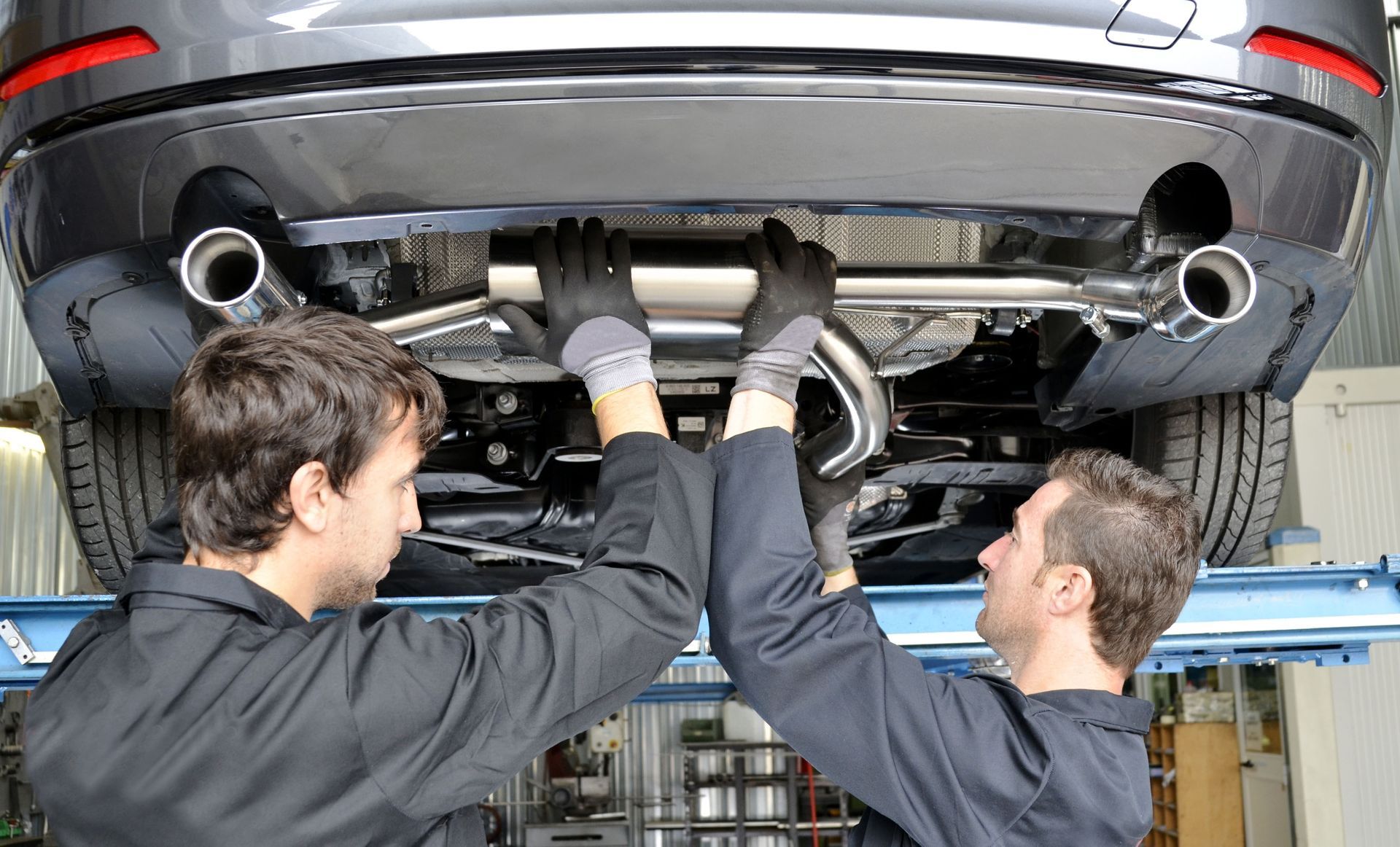
Your car's exhaust system channels harmful combustion gases safely away from the passenger cabin while minimizing environmental air pollution. Professional mechanics inspect exhaust manifolds, catalytic converters, oxygen sensors, and mufflers for rust, cracks, or loose mounting hardware. Small exhaust leaks introduce toxic carbon monoxide into interior cabin spaces while triggering frustrating check engine lights on your dashboard display. Faulty oxygen sensors miscalculate fuel delivery, wasting expensive gasoline and damaging expensive catalytic converters prematurely. Addressing minor exhaust leaks and sensor faults quickly maintains proper backpressure, ensures compliance with municipal emissions standards, and keeps your engine running cleanly and quietly across all environments.
Prioritizing routine preventive maintenance keeps your vehicle running safely, smoothly, and efficiently while preventing unexpected, expensive roadside breakdowns. Partnering with a neighborhood automotive facility delivers personalized service, transparent communication, and expert mechanical care tailored specifically to your daily driving requirements. From monitoring vital fluid levels and rotating tires to testing battery health and inspecting brake systems, small maintenance investments protect your vehicle's long-term performance. Supporting community businesses fosters strong local economies while ensuring your family enjoys safe, dependable transportation every day. Schedule your next maintenance checkup today to keep your car operating in peak condition for many miles down the road.
Are you seeking reliable and local auto repair services for your vehicle in the Pearland, TX area? When it comes to anything automotive, Eagle Automotive & Transmission has you covered! Contact us today to schedule a service appointment to get your vehicle back on the road and running smoothly.
Share On: